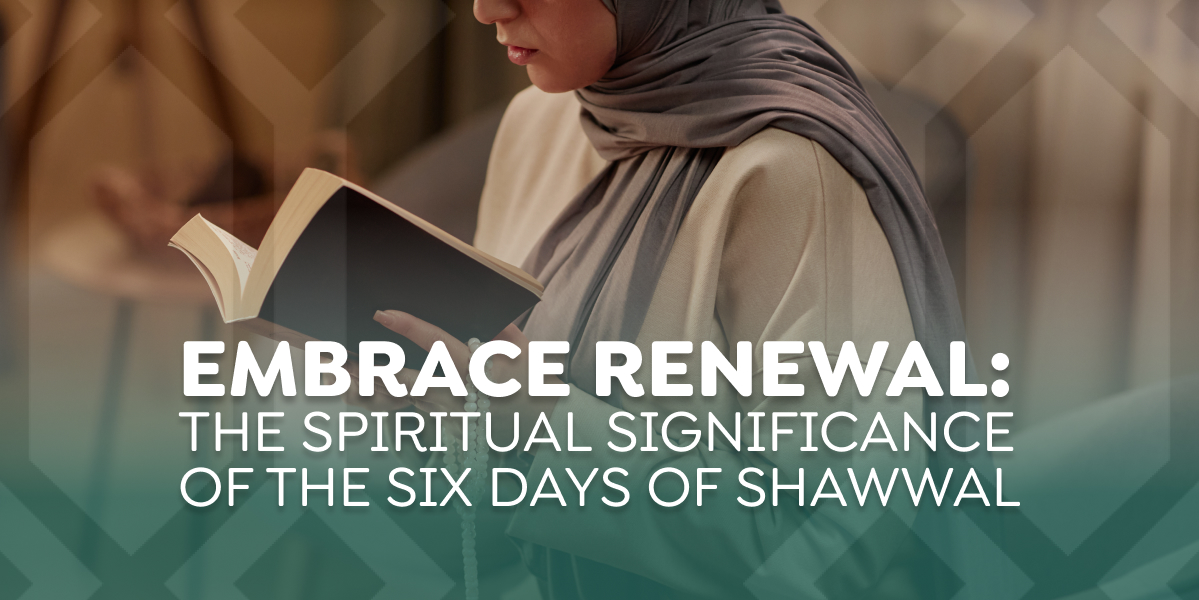
As the holy month of Ramadan comes to a close, we find ourselves entering a period of reflection and rejuvenation known as the Six Days of Shawwal. While Ramadan may have ended, its blessings and lessons continue to resonate within us, guiding us on a path of self-discovery and spiritual enlightenment. So, let’s delve into the significance of the Six Days of Shawwal and discover how this sacred period offers us an opportunity to deepen our connection with our faith and ourselves.
A Time of Celebration:
As the holy month of Ramadan comes to a close, we find ourselves entering a period of reflection and rejuvenation known as the Six Days of Shawwal. While Ramadan may have ended, its blessings and lessons continue to resonate within us, guiding us on a path of self-discovery and spiritual enlightenment. So, let’s delve into the significance of the Six Days of Shawwal and discover how this sacred period offers us an opportunity to deepen our connection with our faith and ourselves.
- The Six Days of Shawwal commence immediately after Eid al-Fitr, the joyous festival that marks the end of Ramadan. While Ramadan is a month of fasting, prayer, and introspection, Eid al-Fitr is a time of celebration and gratitude, as Muslims around the world come together to break their fast and rejoice in the blessings of Allah. The Six Days of Shawwal extend this spirit of celebration, allowing us to continue the festivities and bask in the joy of Eid.
Spiritual Rewards:
- According to Islamic tradition, fasting for six days in the month of Shawwal carries immense spiritual rewards. It is said that whoever fasts the Six Days of Shawwal after Ramadan will be rewarded as if they have fasted the entire year. SubhanAllah! This beautiful opportunity reminds us of the boundless mercy and generosity of Allah, who rewards our efforts and intentions with blessings beyond measure.
Physical and Spiritual Detox:
- Fasting during the Six Days of Shawwal serves as a powerful detox for both the body and the soul. After a month of indulgence and feasting during Ramadan, the act of fasting cleanses our physical bodies, allowing us to reset and rejuvenate our health. Similarly, on a spiritual level, fasting provides us with an opportunity to purify our hearts and minds, shedding the burdens of sin and negativity that weigh us down.
Strengthening Self-Discipline:
- Just as Ramadan teaches us self-discipline and restraint, the Six Days of Shawwal offer us a chance to further strengthen these virtues. Fasting requires patience, perseverance, and self-control—qualities that are essential for navigating the challenges of everyday life. By committing to fasting during Shawwal, we cultivate a sense of discipline that extends beyond the confines of Ramadan, empowering us to lead more mindful and purposeful lives.
Reflecting on Gratitude and Blessings:
- The Six Days of Shawwal provide us with an opportunity to reflect on the blessings and privileges that we often take for granted. As we abstain from food and drink during daylight hours, we are reminded of the countless blessings that Allah has bestowed upon us, from sustenance and shelter to health and loved ones. This period of reflection fosters a sense of gratitude and humility, deepening our appreciation for the abundant blessings in our lives.
Connecting with Community:
- Just as Ramadan fosters a sense of unity and community, the Six Days of Shawwal offer us a chance to strengthen our bonds with our fellow Muslims. Whether it’s through attending communal prayers, breaking fast together, or engaging in acts of charity and kindness, Shawwal provides us with opportunities to connect with others and build meaningful relationships based on faith and compassion.
Applying Discipline to the Digital World:
The lessons of Shawwal are particularly relevant when we consider the complex demands of the modern world. Today, our physical environments are intricately intertwined with a rapidly evolving digital landscape. Cultivating mindfulness is no longer just about regulating what we consume at the dinner table; it is also about managing how we engage with our screens, apps, and online communities.
Much of our daily routine is now mediated by technology, which offers incredible convenience but also provides endless avenues for constant stimulation. We use our smart devices for work, global communication, and education, often seamlessly blending these necessary tasks with continuous, algorithm-driven entertainment. This blurring of boundaries makes it increasingly difficult to carve out the quiet introspection that faith requires.
Tech developers actively design these modern platforms to capture and hold human attention for as long as possible. This model applies across all digital leisure, whether users are streaming episodic media, competing in esports, or exploring platforms featuring online slots real money and virtual table games. The rigorous self-restraint practiced during physical fasting provides a much-needed psychological anchor, consistently helping individuals step back from these highly immersive digital environments to reclaim their precious time and focus. By exercising this conscious control, we prevent technology from dictating the rhythm of our days.
Taking intentional breaks from this daily digital noise is essential for maintaining the mental clarity we work so hard to build. By actively limiting our screen time and stepping away from the constant buzz of notifications, we create quiet, uninterrupted spaces for genuine reflection, prayer, and deep reading of scripture.
This conscious moderation allows the spiritual purity achieved during Ramadan to take root and flourish throughout the rest of the year. Ultimately, the discipline we bring to our online habits becomes a profound reflection of our commitment to living a balanced, purposeful life that prioritizes our core values over fleeting distractions.
In conclusion, the Six Days of Shawwal offer us a precious opportunity to continue our spiritual journey beyond Ramadan, embracing renewal, reflection, and gratitude. As we fast and engage in acts of worship during this sacred period, may we draw closer to Allah and to one another, finding peace, fulfillment, and purpose in our faith. Ramadan may have ended, but the blessings of Shawwal are just beginning. Let us seize this opportunity to nourish our souls, deepen our faith, and embrace the transformative power of spiritual renewal.